

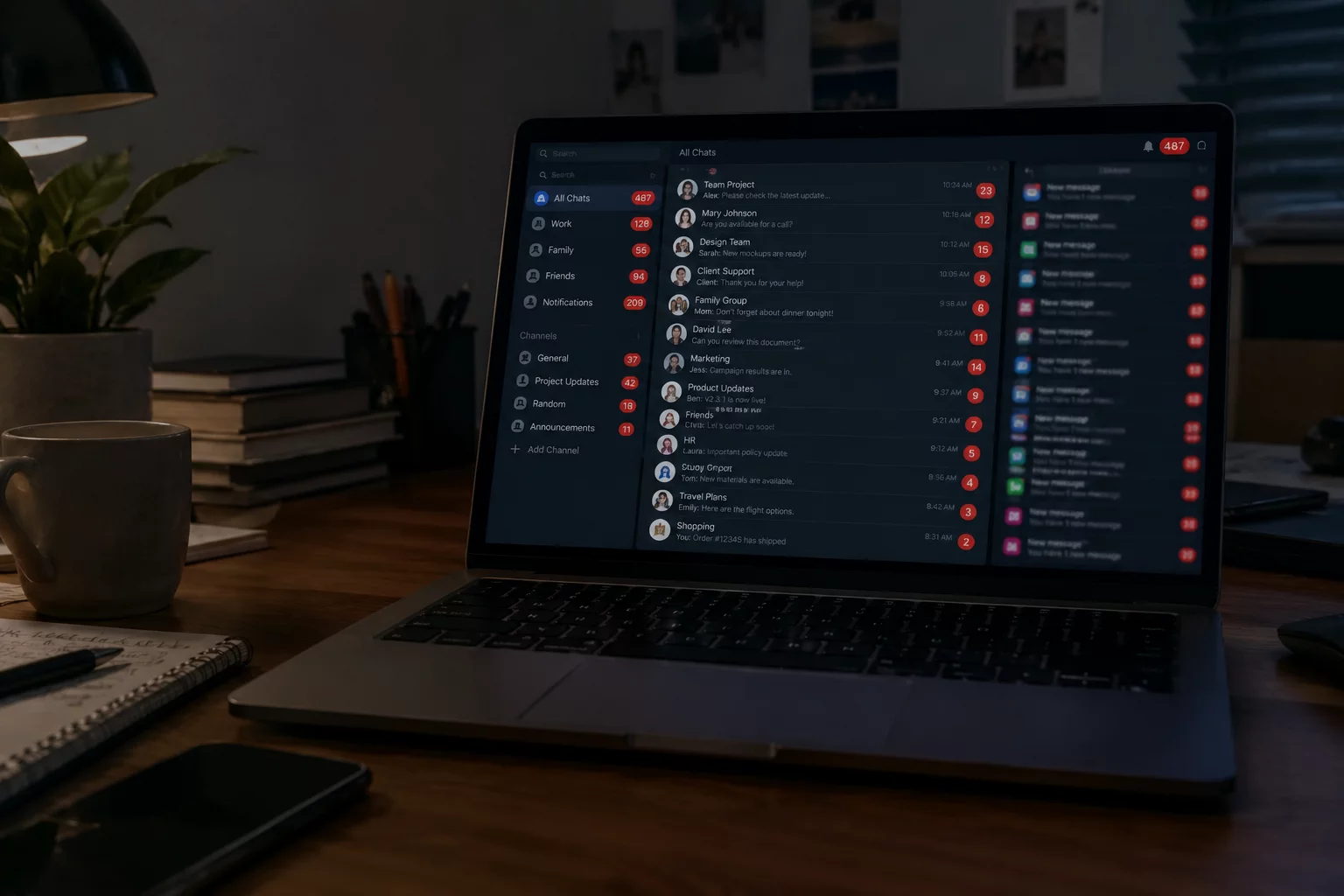
The Hidden Cost of Digital Open Loops
Unresolved discussions in Slack occupy a hidden space in the human mind. This phenomenon, known as the Zeigarnik effect, suggests that people remember uncompleted tasks better than completed ones. A thread left without a clear conclusion acts as an open loop. This loop consumes cognitive resources throughout the workday. Employees find themselves returning to the same message multiple times. They check for updates that do not exist. This repetitive behavior fragments attention and reduces the capacity for deep work. ThreadClosure Studio focuses on identifying these energy leaks to improve collective focus.
The Anatomy of Thread Fatigue
Notification pings trigger a dopamine response in the brain. This initial surge quickly turns into stress when the message requires a decision that no one is making. A channel filled with dozens of active threads creates a sense of chaos. The team feels a constant pressure to monitor every conversation. This pressure leads to mental exhaustion by mid-afternoon. Several factors contribute to this drain:
- Lack of clear ownership for the final decision.
- Continuous context switching between different project channels.
- Fear of missing out on critical updates buried in long histories.
- Over-reliance on real-time responses for non-urgent matters.
- The absence of a formal closing protocol for resolved topics.
Strategies for Achieving Resolution
Effective communication requires a definitive end point for every discussion. A manager should designate a 'closer' for each critical thread. This person holds the responsibility for summarizing the outcome. Once a decision is reached, a specific emoji or a summary post signals the end of the conversation. This visual cue allows other team members to archive the mental task. Otherwise, the discussion lingers in the background of everyone's mind. ThreadClosure Studio recommends a weekly audit of open threads to ensure nothing is left hanging. This practice restores a sense of order to the digital workspace.
The Role of Asynchronous Discipline
Asynchronous work environments thrive on clarity. A well-structured post includes the context, the question, and the deadline. This structure prevents the need for endless back-and-forth replies. Team members provide their input within the specified timeframe. The owner then synthesizes the input into a final action. This disciplined approach protects the team's energy. It transforms Slack from a source of distraction into a tool for progress. Consistent application of these habits builds a culture of respect for focus time.
Comments (0)