

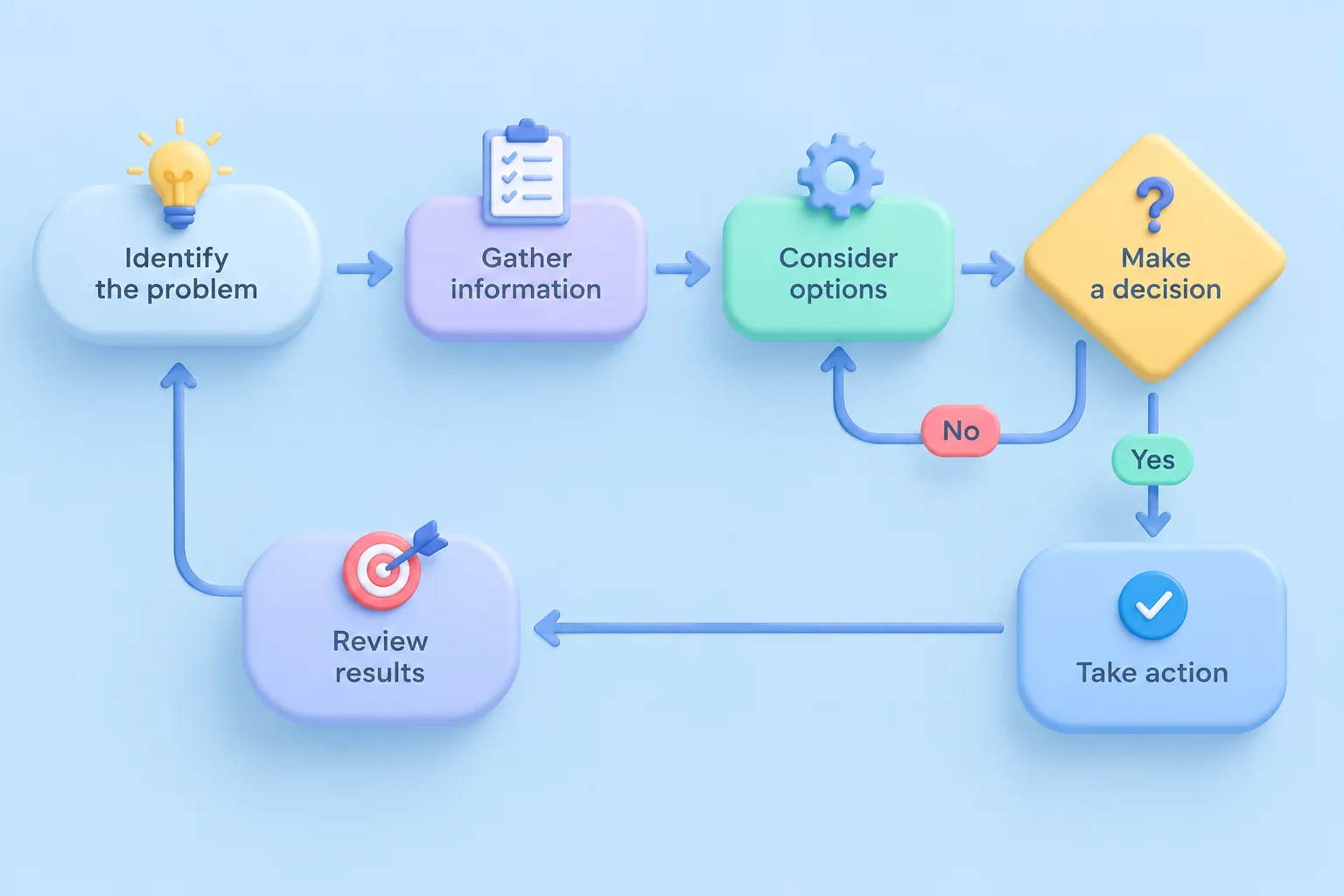
Navigating the Complexity of Distributed Decisions
Remote teams face a unique challenge when making decisions. The lack of physical presence makes it difficult to gauge consensus. Cross-functional projects add another layer of complexity. Different departments have different priorities and terminologies. Without a clear framework, decision-making becomes a slow and painful process. Projects stall as everyone waits for someone else to take the lead. ThreadClosure Studio implements structured frameworks to accelerate this process. These tools ensure that every voice is heard while maintaining a clear path to action.
The Power of the DACI Model
The DACI model provides a clear structure for accountability. It defines four specific roles for every major decision. The 'Driver' manages the process and keeps things moving. The 'Approver' is the one person who makes the final call. 'Contributors' provide their expertise and data. 'Informed' parties are those who need to know the outcome. This model prevents the 'too many cooks' syndrome. It allows the team to move forward even when there is not a 100% consensus. Implementing DACI involves the following steps:
- Assigning roles at the very start of the project.
- Documenting the roles in a central location accessible to all.
- Setting a clear deadline for the final approval.
- Ensuring the Approver has all the necessary data from Contributors.
- Communicating the final decision to the Informed group immediately.
RAPID: A Tool for High-Stakes Choices
For more complex or high-stakes decisions, the RAPID framework offers a robust alternative. It stands for Recommend, Agree, Perform, Input, and Decide. This framework is particularly useful when multiple departments are involved. It separates the act of recommending a solution from the act of deciding on it. This separation allows specialists to focus on their area of expertise. The 'Decider' then looks at the whole picture to make the best choice for the company. This clarity reduces friction between teams and ensures that the best ideas rise to the top. ThreadClosure Studio often recommends RAPID for large-scale organizational changes.
Time-Boxed Voting and Asynchronous Consensus
Not every decision requires a heavy framework. For smaller choices, time-boxed voting works perfectly. A proposal is posted in a shared channel with a 24-hour window for feedback. Team members use emoji reactions to vote or leave comments for specific concerns. Once the timer expires, the Driver summarizes the result. This method respects everyone's schedule and prevents the decision from dragging on for days. It creates a rhythm of constant progress. This rhythm is essential for maintaining momentum in a remote environment. Consistent use of these frameworks builds a culture of decisiveness and trust.
Comments (0)